Affiliate Disclosure: MyHomeGymPro is reader-supported. When you buy through links on our site, we may earn an affiliate commission at no extra cost to you. This helps us keep creating honest, in-depth content for home gym owners like you.
You just dropped serious money on a power rack, a decent barbell set, and maybe even a cable machine. Then you deadlift 315 in your garage and realize the concrete floor just cracked under the plates. Or worse, your landlord sends a passive-aggressive text about the noise from your basement. Proper home gym flooring mats aren’t a luxury — they’re the foundation that protects your equipment, your floors, and your ability to keep training at home without complaints.
Quick Answer
If you’re looking for the best home gym flooring mats, the IncStores 8mm Thick Strong Rubber Flooring Roll is our top pick. It delivers commercial-grade durability, excellent shock absorption for heavy lifting, and a clean, professional look that won’t shift or separate during intense workouts. It’s ideal for anyone building a dedicated lifting space who wants flooring that lasts for years without replacement.
TL;DR
Rubber rolls beat puzzle mats for serious lifting setups, but interlocking tiles work great for mixed-use spaces. Our top pick is the IncStores Rubber Roll for heavy-duty use, and the ProsourceFit Puzzle Mat is a solid budget-friendly option for lighter training areas.
Key Takeaways
- Thickness matters more than brand. Aim for at least 8mm (3/8″) for weightlifting; 3/4″ for Olympic lifts or heavy deadlifts.
- Rubber rolls are superior for permanent setups — no shifting seams, no curling edges, no gaps where chalk and sweat collect.
- Puzzle mats are ideal for renters or multi-use spaces because they’re easy to install, remove, and reconfigure.
- Always measure your space before ordering. Account for walls, door clearances, and equipment footprints.
- Your subfloor determines your flooring choice. Concrete handles anything; wood floors need extra protection from heavy drops.
Table of Contents
What to Look For in Home Gym Flooring
Thickness and Density
This is the single most important spec. Thin, spongy mats compress under heavy loads and won’t protect your subfloor from dropped weights. For general fitness and bodyweight training, 1/4″ to 3/8″ works. For barbell training, go 3/4″ or thicker. Denser rubber absorbs more impact and lasts longer.
Material Type
Rubber is king for gym flooring. Recycled rubber rolls and tiles are durable, easy to clean, and handle heavy weights without permanent indentation. EVA foam is lighter and cheaper but compresses over time and isn’t suitable for serious lifting. PVC-backed options exist but tend to off-gas more and don’t absorb shock as well.
Installation Method
Rolls give you seamless coverage but require more effort to cut and lay down. Interlocking puzzle tiles snap together in minutes with zero tools. Loose-lay options work for most home gyms, but adhesive installation prevents shifting in high-traffic areas.
Shock Absorption and Noise Reduction
If you’re training in a shared building or above a living space, noise dampening is non-negotiable. Thicker rubber dramatically reduces the sound of dropped weights and vibrations through the floor. According to the American Council on Exercise, proper flooring is one of the most overlooked safety considerations in home gym design.
Surface Texture and Grip
You need traction — especially if you’re doing standing lifts or anything barefoot. Look for a textured or pebbled surface that prevents slipping when wet with sweat. Smooth-top mats look clean but can be dangerously slick.
Odor and Off-Gassing
New rubber flooring stinks. That’s normal. High-quality recycled rubber off-gasses less and airs out faster, usually within one to two weeks in a ventilated space. Cheaper mats can smell for months.
Size and Coverage
Calculate your total square footage before you buy. Rolls typically come in 4-foot widths and various lengths. Puzzle tiles usually cover 24 to 96 square feet per pack. Buying extra for cutting waste is smart — aim for 5-10% overage.
Common Mistakes When Buying Home Gym Flooring Mats
- Buying too thin for heavy lifting. A 1/4″ mat won’t protect concrete from a dropped barbell. The fix: Match thickness to your heaviest activity — 3/4″ minimum for Olympic lifts and deadlifts.
- Ignoring the subfloor condition. Laying mats over uneven concrete creates wobble under your squat rack. The fix: Fill cracks and level low spots before installing any flooring.
- Choosing foam for a barbell gym. EVA foam compresses permanently under rack legs and heavy plates. The fix: Use rubber for any area with heavy equipment; save foam for stretching zones only.
- Not leaving expansion gaps. Rubber expands slightly with temperature changes, especially in garages. The fix: Leave a 1/4″ gap around the perimeter of walls.
- Forgetting about drainage and moisture. Mats laid directly on damp concrete trap moisture and grow mold underneath. The fix: Check for moisture issues first, and consider a vapor barrier if your garage floor sweats.
- Assuming all puzzle mats stay locked. Cheap interlocking tiles separate during lateral movements like sled pushes or agility work. The fix: Use tiles with tight-fitting connectors and consider taping seams for extra security.
Our Top Picks
Best Overall: IncStores 8mm Thick Strong Rubber Flooring Roll
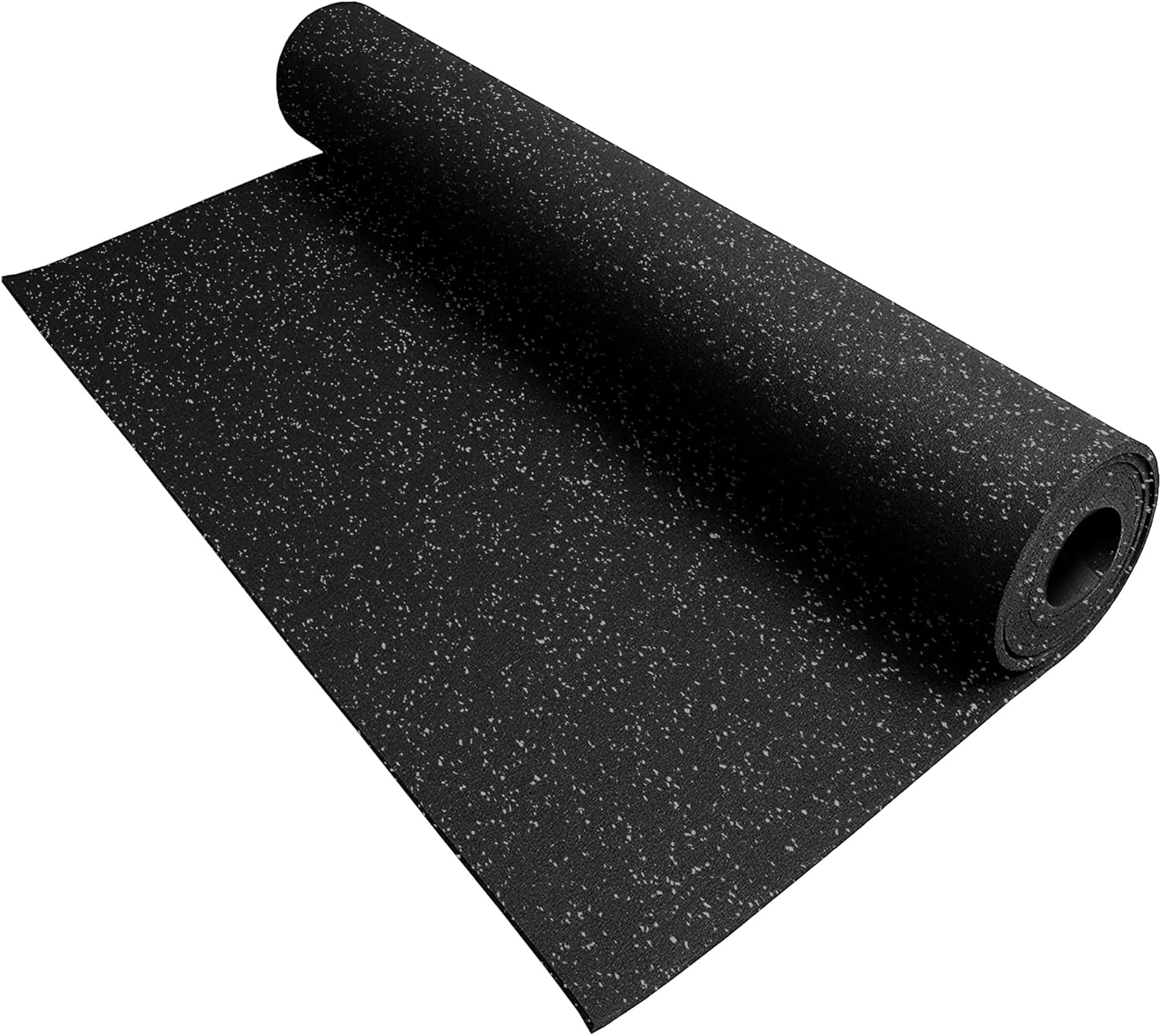
If you want flooring that feels like walking into a real gym, the IncStores 8mm Thick Strong Rubber Flooring Roll is the move. This is dense, commercial-grade recycled rubber that handles everything from deadlift drops to heavy rack setups without flinching. The seamless roll format means no shifting tiles, no gaps collecting dust, and a clean professional look that makes your garage gym feel legit.
It’s best suited for lifters building a permanent or semi-permanent training space. The 8mm thickness provides solid protection for concrete subfloors under standard barbell work. The textured surface keeps your footing locked in, even when you’re drenched mid-set. One honest callout: it’s heavier and harder to install solo than puzzle tiles, and the new-rubber smell takes about a week to fade in a ventilated space.
CHECK PRICE ON AMAZON: https://amzn.to/4u6MHAe
Best Budget Pick: ProsourceFit Exercise Puzzle Mat

For home gym owners on a budget or anyone renting their space, the ProsourceFit Exercise Puzzle Mat 3/4″ – Black-96 is a smart pick. These interlocking EVA foam tiles cover 96 square feet and snap together without any tools. The 3/4″ thickness provides good cushioning for bodyweight exercises, dumbbell work, cardio machines, and general fitness training.
They’re perfect for renters who need flooring they can pull up and take with them, or for multi-use spaces where the gym area doubles as something else on weekends. The lightweight design makes rearranging easy. The tradeoff: EVA foam will compress permanently under very heavy static loads like power rack feet, and it won’t absorb barbell drops the way dense rubber does. If your heaviest lift involves dumbbells under 80 pounds, these handle it just fine.
CHECK PRICE ON AMAZON: https://amzn.to/46pNDW1
How to Get the Most Out of Your Gym Flooring
- Unroll rubber mats 24-48 hours before final placement. This lets them flatten out and reduces curling edges. Lay them in direct sunlight if possible to speed up the process.
- Clean your subfloor thoroughly before installation. Dust, debris, and small pebbles under your mats create uneven spots that you’ll feel every time you set up for a lift.
- Use a sharp utility knife with a straight edge for cuts. Don’t try to rip or tear rubber rolls. Score the back side first, then cut through. Replace blades frequently — dull blades make ragged edges.
- Vacuum or sweep your mats weekly. Chalk dust, dirt, and sweat build up fast. A damp mop with mild soap every couple of weeks keeps rubber flooring in top condition.
- Rotate puzzle tiles every few months if certain areas see heavier traffic. This distributes wear evenly and extends the life of foam mats.
- Place plywood platforms under power racks on foam mats. A 2×4-foot plywood sheet distributes the rack’s weight and prevents permanent indentation in EVA foam.
- Don’t drag equipment across rubber flooring. Lift and carry. Dragging creates scuff marks and can tear the surface, especially at roll seams.
Space and Setup Considerations
Most home gym owners work with spaces ranging from a single-car garage (roughly 10×20 feet) to a spare bedroom (10×12 feet). For a basic squat rack and bench setup, plan to cover at least an 8×8-foot area with quality flooring.
Ceiling height doesn’t directly affect flooring choice, but keep in mind that thicker flooring (3/4″ and up) raises your effective floor height. This matters if you’re already tight on overhead clearance for overhead presses or pull-ups.
Garage gyms face temperature swings. Rubber handles heat and cold well, but extreme temperatures cause slight expansion and contraction. That perimeter gap we mentioned earlier prevents buckling. If your garage gets below freezing regularly, rubber stays functional — foam mats get stiff and brittle in the cold.
Ventilation is important during the first week after installation. New rubber flooring off-gasses volatile organic compounds. Open garage doors, run a fan, and give it a few days before spending long sessions in the space.
If you’re training on a second story or above a living space, consider doubling up — a rubber roll base layer with puzzle tiles on top gives you maximum noise dampening and floor protection.
Troubleshooting
- Mats curling at the edges? Place heavy weights or equipment on the edges for 24-48 hours. For persistent curling, use double-sided carpet tape along the perimeter.
- Puzzle tiles separating during workouts? Apply gaffer tape along the seams on the underside, or use a thin bead of rubber cement at connection points.
- Strong rubber smell after a week? Increase ventilation. Sprinkle baking soda on the surface, let it sit overnight, then vacuum. Repeat as needed.
- Mats sliding on smooth concrete? Use a non-slip rug pad underneath, or apply a thin bead of construction adhesive at the corners.
- Indentations under equipment legs? Place rubber furniture pads or small plywood squares under rack feet and machine legs to distribute weight.
- Moisture or mold forming underneath? Pull up the mats, clean both surfaces with a vinegar solution, let everything dry completely, and consider a moisture barrier like plastic sheeting.
Expert Take
Proper gym flooring is more than comfort — it’s a safety and performance factor that most home gym owners underestimate. The National Strength and Conditioning Association (NSCA) recommends rubber flooring for any facility where free weights are used, citing reduced injury risk from improved stability and shock absorption. This applies equally to commercial gyms and home setups.
From a practical standpoint, investing in quality flooring upfront saves money long-term. Cheap mats that compress, shift, or fall apart within a year end up costing more in replacements than a single quality rubber roll that lasts a decade. Your home gym flooring mats are the one purchase that touches every single workout you do — treat them accordingly.
FAQs
How thick should home gym flooring mats be?
For bodyweight and light dumbbell work, 3/8″ is fine. For barbell training and heavy lifting, go with 3/4″ or thicker. Thicker mats absorb more impact and protect subfloors better.
Can I put gym flooring over carpet?
You can, but it’s not ideal. Carpet compresses unevenly under heavy loads, making squat racks and benches unstable. If you must, use plywood over the carpet first, then lay rubber mats on top.
How do I stop rubber gym mats from smelling?
Ventilate the room well for the first one to two weeks. Sprinkle baking soda on the surface, leave overnight, and vacuum. High-quality rubber off-gasses faster than cheap alternatives.
Are puzzle mats good enough for a home gym?
For light to moderate training — absolutely. They work well for cardio, stretching, dumbbell work, and machine-based exercises. They’re not ideal for heavy barbell drops or permanent rack placement.
Do I need to glue down rubber gym flooring?
Most home gyms don’t require adhesive. The weight of your equipment keeps mats in place. Gluing is only necessary for very high-traffic commercial-style setups or if mats slide on a smooth surface.
Can gym flooring mats go directly on concrete?
Yes, and concrete is actually the best subfloor for gym mats. Just make sure the concrete is clean, level, and dry before installation. Check for moisture issues in basements and garages.
How much does it cost to floor a home gym?
Budget roughly $1.50 to $3.00 per square foot for quality rubber rolls or tiles. A typical 100-square-foot home gym area runs between $150 and $300 for solid flooring.
What’s better — rubber rolls or interlocking tiles?
Rubber rolls are better for permanent setups because they’re seamless and more durable. Interlocking tiles are better for renters or temporary spaces because they’re easy to install and remove. Check out our guide on building your first home gym on a budget for more tips.
Will heavy equipment permanently dent foam mats?
Yes. EVA foam compresses permanently under sustained heavy loads like rack legs and loaded barbells stored on the floor. Use plywood under heavy equipment or choose dense rubber instead.
How do I clean rubber gym flooring?
Sweep or vacuum weekly. Mop with warm water and a mild soap monthly. Avoid harsh chemicals, bleach, or abrasive cleaners — they break down rubber over time.
Conclusion
Getting the right home gym flooring mats is one of the smartest investments you’ll make for your training space. It protects your floors, reduces noise, keeps your equipment stable, and makes every workout feel more dialed in. For most lifters building a dedicated space, the IncStores 8mm Thick Strong Rubber Flooring Roll is the best combination of durability, performance, and value. If you’re working with a tighter budget or need something portable, the ProsourceFit Exercise Puzzle Mat gets the job done for lighter training. Measure your space, pick the option that fits your training style, and lay down a foundation that’ll last. Your knees, your floors, and your neighbors will thank you.